
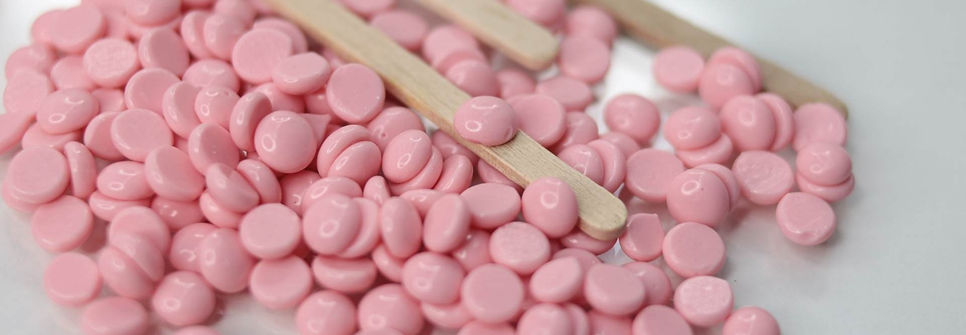
Hygiene in waxing is not an “extra” — it is a basic requirement.
During hair removal, the skin becomes temporarily more sensitive, so every step matters.
Why is hygiene especially important in waxing?
During waxing:
-
hair follicles become temporarily more open
-
micro-injuries occur on the skin
-
the risk of infection is briefly higher
That’s why a clean, controlled environment is essential.
What tools ensure safety?
The foundations of safe waxing:
-
clean or single-use treatment sheets
-
disposable papers and wipes
-
properly cleaned and disinfected tools
-
use of disposable gloves and spatulas
-
high-quality products
There are no “exceptions” — these are basic expectations.
How do we prepare the skin?
Before the treatment:
-
the skin is cleansed and disinfected if needed
-
sweat and impurities are removed
-
powder is used to help prevent skin injury
-
the skin is prepared for waxing
This:
-
preps the skin
-
helps the wax adhere gently and effectively
-
protects the skin’s surface
What happens after the treatment?
After waxing, with appropriate products we:
-
soothe the skin
-
prevent stickiness
-
reduce redness
-
support regeneration
It’s also important to:
-
avoid heat exposure for a short time
-
avoid tight clothing
-
allow the skin to rest
Aftercare is part of hygiene, not a separate step.
Is there a risk of infection?
In a professional setting:
-
the risk of infection is minimal
-
proper hygiene reduces it even further
The risk increases if:
-
inappropriate tools are used
-
tools are not changed between clients
-
personal hygiene is inadequate
-
the skin is not properly prepared
-
aftercare advice is not followed
What can the client do for safety?
The client can also contribute by:
-
arriving with clean skin
-
informing the practitioner about any skin injuries
-
reporting any medical conditions or medications
-
following aftercare instructions
Safety is a shared responsibility.
Waxing hygiene is not spectacular, but it is crucial. Safe treatment depends on a disinfected environment, proper use of equipment, and conscious aftercare. Hygiene is not marketing, it is a responsibility. Whoever communicates this clearly positions themselves as an expert.
-
🔙 Back: 👉 Waxing FAQ
📘 Related blog:
👉 Why does it matter how hygienic a waxing session is?